
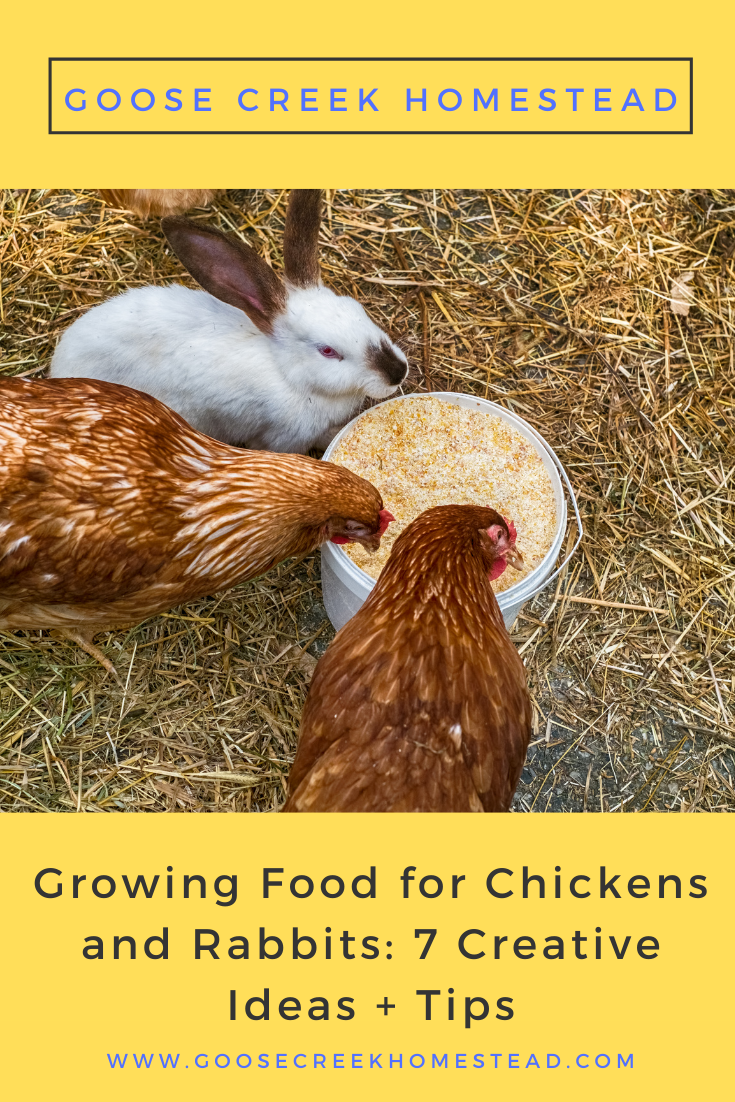
Growing your own chicken and rabbit feed is a great way to save money. Here’s what to grow for chickens and rabbits in the garden, plus tips for doing it safely and ensuring they are getting all the nutrition they need.
Feed costs can take a big bite out of your homesteading budget — especially with rising prices and occasional shortages at the feed store. The more self-reliant you are when it comes to feeding your animals, the better.
Growing your own chicken and rabbit feed is not only possible — it’s practical. Even on a small homestead, you can produce high-quality, natural livestock feed that’s nutritious, varied, and free from unnecessary additives.
In this post, we’ll share 7 creative ideas to help you grow your own chicken and rabbit feed, plus a few tips to make sure your animals get all the nutrients they need.
Click to View Table of Contents
What to Grow for Chicken and Rabbit Feed
Ready to cut costs, reduce your dependence on commercial feed, and give your animals a more natural diet? Whether you’re raising chickens for eggs or rabbits for meat (or manure!), growing your own livestock feed is one of the smartest moves a small-scale homesteader can make.
Below, you’ll find 7 easy, low-cost ways to grow chicken fodder and rabbit forage right in your backyard. These methods work even if you’re short on space — and many of them double as food for humans, soil-builders, or pollinator-friendly plants, too! Let’s dig in!
1. Growing Food for Chickens and Rabbits with the Cut and Come Again Method
If you’re short on space but want to grow your own chicken and rabbit feed, cut-and-come-again leafy greens are a game changer. These fast-growing, nutrient-rich plants regrow after each harvest, giving you a continuous supply of fresh forage for your animals.
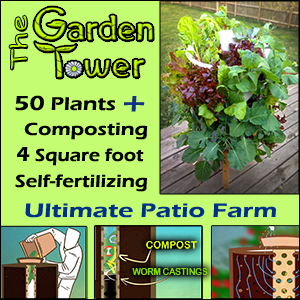
You don’t need a big garden plot, either. One of our favorite ways to grow cut and come again greens is in a garden tower— a compact vertical growing system that lets you grow up to 50 plants in just four square feet. It’s perfect for producing rabbit- and chicken-friendly greens right on your porch, patio, or in a tiny backyard. You can also tuck them into window boxes, planters, or a dedicated 4×8 raised bed.
Focus on hardy, dark leafy vegetables like:
- Kale
- Swiss chard
- Bok Choy
- Loose-leaf lettuce
- Beet and turnip greens
Here’s how it works:
Each day, harvest the outer leaves from your plants and feed them fresh to your animals. Leave the inner leaves to regrow. To keep the harvest going all season long, plant new greens every 2–3 weeks using a succession planting method.
Got more greens than your animals can eat fresh? Dry the extras in a warm, sunny spot, then store them in an airtight container to use as supplemental winter feed.
A few tips for feeding:
- Chickens can eat as many leafy greens as you want to give them. It’s a great way to add variety to their diet and reduce your reliance on bagged feed.
- Rabbits enjoy leafy greens too, but introduce them slowly — especially if they’re not used to fresh forage. Too much too quickly can cause digestive issues.
- Important for rabbits: Always provide unlimited access to high-quality hay. A small daily serving of a balanced rabbit pellet is also recommended to ensure they’re getting all the nutrients they need.
Leafy greens provide an excellent dietary supplement for other small livestock, including quail.
2. Grow Your Own Hay for Your Rabbits and Chickens
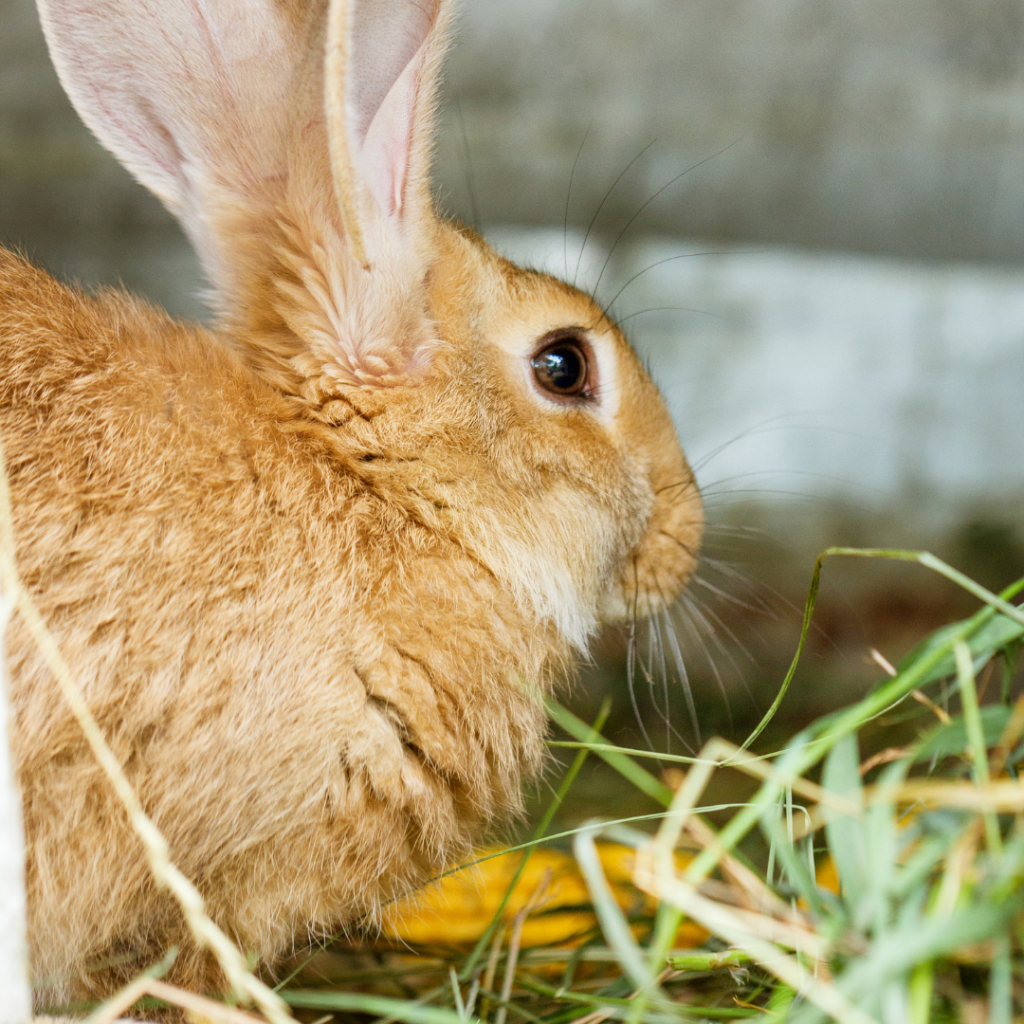
Another idea is to designate an area of your yard for chicken and rabbit food. It could be a 10-foot x 10-foot square, or larger if you have more space available. Plant this area with nutritious grasses like alfalfa, timothy, and orchard grass.
Let it grow until it’s two or three feet tall and on a dry, sunny day, mow it down and let it dry in the sun. Once it’s completely dry, you can save it in old feed bags or something similar to feed to your chickens and rabbits anytime. This is a great way to put food aside to feed your rabbits and chickens in the winter.
Rabbits absolutely love homegrown hay, but you might be surprised to find that your chickens love it too. We give our homegrown hay to our chicken flocks all winter long and they totally devour it in a matter of minutes.
Avoid hay made from fescue (especially tall fescue infected with endophytes), Johnson grass, or moldy/musty hay, as these can be harmful to both chickens and rabbits. Always check your hay carefully for signs of mold or contamination before feeding.
3. Grow Root Vegetables for Your Chickens and Rabbits
Root vegetables take up a little more space in the garden, but they’re really easy to grow and they can be a fantastic supplement to your rabbits’ and chickens’ diet. If you have space, designate an area in your garden just for roots like carrots, beets, turnips, and parsnips.
Your animals will love the roots and tops of these vegetables. You could also feed them just the tops and keep the roots for yourself. Either way, you’ll be providing some additional variety and nutrition to their diet.
Feeding tips:
-
Rabbits love root veggies, but because they’re high in sugar, they should be offered sparingly as a treat. Their primary diet should still be unlimited hay, fresh greens, and a balanced pellet to support digestion and overall health.
-
Chickens enjoy root vegetables too, but some may prefer them cooked. Try boiling a batch and storing extras in the fridge to offer throughout the week — especially in winter when fresh forage is limited.
One of the best things about root crops is their long storage life. Harvest them in the fall, store them in a cool, dark place (like a root cellar or basement), and you’ll have a homegrown supplement ready for your animals all winter long. You can even dry the leafy tops to use as winter forage.
4. Growing Sweet Potatoes for Chickens and Rabbits
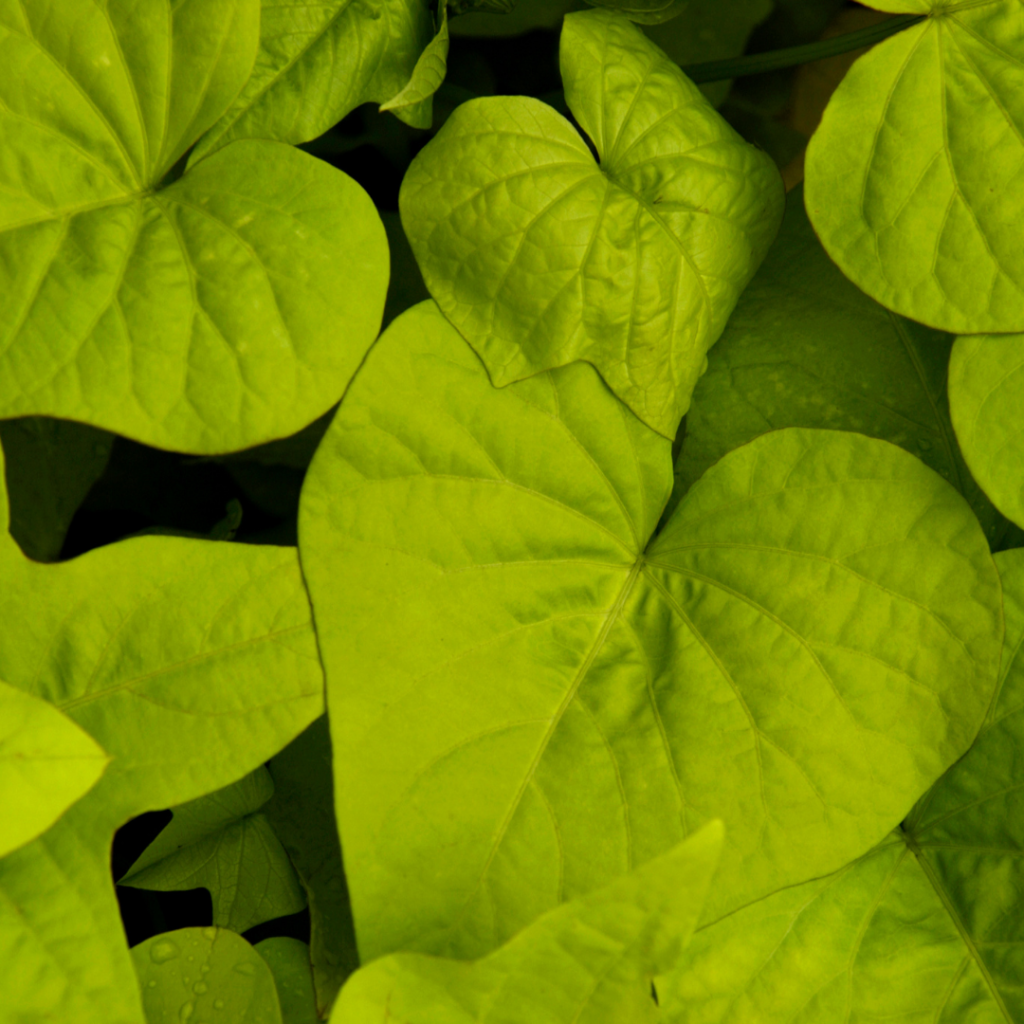
If you live in a warm climate, sweet potatoes are a fantastic dual-purpose crop — keep the roots for yourself and feed the greens to your livestock. The lush green vines they produce are packed with nutrition and make an excellent feed supplement for both chickens and rabbits.
Sweet potato greens grow vigorously all summer long. You can harvest a portion of the vines every few days, and the plants will keep producing right up until the first frost. It’s a great way to grow high-volume, rabbit- and chicken-safe greens in a relatively small area.
Important safety note:
Never feed rabbits or chickens regular white or yellow potato plants. The leaves and stems of standard potatoes (from the Solanum family) are toxic — especially to rabbits — and the tubers are difficult for them to digest. Sweet potato plants (from the Ipomoea family) are completely different and safe to feed in moderation.
5. Grow Herbs for Your Chickens and Rabbits
Chickens and rabbits love the taste of fresh herbs from the garden, including parsley, cilantro, sage, rosemary, oregano, thyme, basil, mint, and more. They’ll eat everything from the leaves to the flowers and tender stems. Your rabbits will love chewing on tough woody stems at the end of the season too.
Herbs are full of beneficial vitamins, minerals, and antioxidants. Some have additional benefits, like boosting the immune system, fighting parasites, and calming anxiety. Offering herbs to your rabbits and chickens regularly is a great way to boost their health and add variety to their diet at the same time.
6. Feed Weeds to Your Chickens and Rabbits
Next time you’re weeding the garden, save the weeds for your rabbits and chickens. Chickens will devour giant piles of weeds, roots, and all. Rabbits will also love weeds, especially dandelions and clover. Weeds can even be pulled right from your yard, as long as you haven’t applied any chemicals like fertilizers, herbicides, or pesticides.
Some of the best and safest weeds to feed include:
- Dandelion – Packed with beta-carotene, calcium, iron, and potassium
- Clover – High in protein and rich in beneficial plant compounds
- Plantain (broadleaf and narrowleaf) – Excellent for digestion
- Chickweed – Soft, nutrient-dense forage that’s loved by both chickens and rabbits
These wild greens are often more nutritious than cultivated ones — and they’re completely free. It’s a great way to add variety, reduce waste, and keep your animals engaged.
Important note: Always double-check plant identification before feeding any weed, and avoid anything you’re unsure about. Some wild plants are toxic to rabbits and chickens.
7. Feed Flowers to Your Chickens and Rabbits
Did you know that bunnies and chickens love to eat flowers? Your rabbits and chickens will eat the flowers, leaves, and stems of marigolds, nasturtiums, zinnias, sunflowers, and more. You can offer them spent flowers when you’re deadheading or pruning, as well as the entire plant at the end of the growing season.
You might want to avoid offering African Marigolds to your bunnies though… they have a strong smell your bunnies won’t appreciate, and they may upset their stomachs.
What Not to Feed Your Chickens and Rabbits from the Garden
Growing food for chickens and rabbits is a great way to save money, but there are some garden plants they cannot eat.
Chickens and rabbits should never be fed plants from the nightshade family, including tomatoes, peppers, eggplants, and conventional potatoes. While it is ok to feed them the fruits of these plants in small amounts, the plants themselves can be toxic, especially to rabbits. All nightshade plants should go to your compost pile, not your animals.
Avocados contain a fungicidal toxin called persin, so they should never be fed to your chickens or rabbits either. This toxin can be deadly to rabbits and it’s not good for chickens either. Put your avocado pits, peels, and tree trimmings in the compost bin instead.
Never feed your rabbits or chickens anything from the garden or yard that has been treated with chemicals, including chemical fertilizers, pesticides, and herbicides. Even if it’s been months since you sprayed your yard or garden, the residue left behind on the plants and fruit could make your animals very sick or even kill them. Organic produce, plants, weeds, and grass clippings are the way to go.
And finally, many plants, like foxglove, morning glory, sweet peas, and wild carrot are poisonous and should never be fed to your animals. Never feed a plant, fruit, or vegetable to your rabbits or chickens if you’re not 100% sure of what it is and if it’s safe for them to eat. Always do your own research before offering new foods, and if there’s any doubt, don’t feed it to your animals. It’s just not worth the risk.
What Can I Grow in My Garden to Feed My Rabbits?
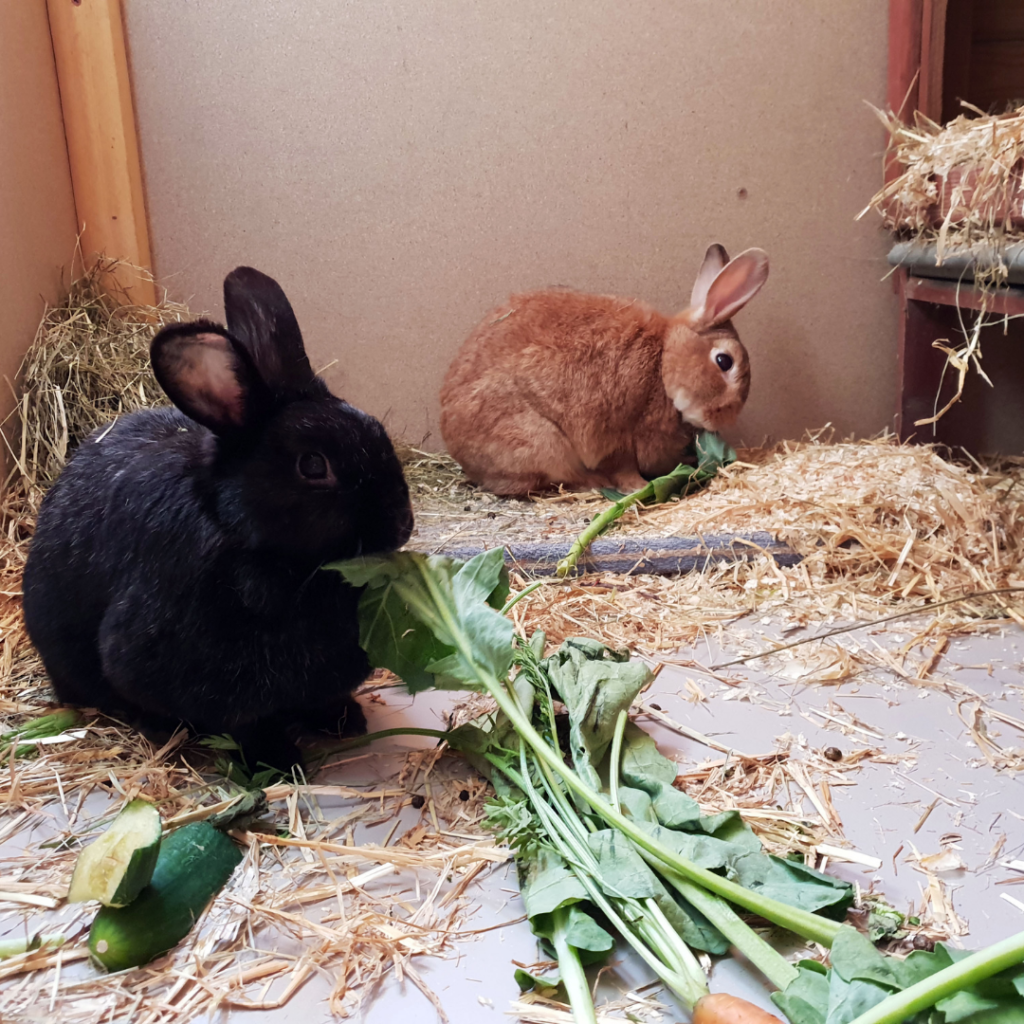
Rabbits can enjoy a wide variety of fresh foods from the garden — including leafy greens, herbs, vegetables, and even weeds like dandelions and plantain. These natural options are great for adding variety, enrichment, and nutrition to your rabbit’s diet.
Safe garden foods for rabbits include:
- Leafy greens: romaine, kale, bok choy, Swiss chard, beet and turnip greens
- Herbs: parsley, cilantro, mint, basil, dill, oregano
- Edible weeds: dandelion, chickweed, plantain, clover
- Vegetables (in moderation): carrots, beets, bell peppers, zucchini
- Fruits (occasional treats): apple slices (no seeds), berries, melon
Feeding guidelines:
- Always introduce new foods slowly, in small amounts over several days, to prevent digestive upset.
- Fresh foods should make up a few handfuls per day, depending on your rabbit’s size.
- The bulk of your rabbit’s diet should be unlimited grass hay, supplemented with a small daily serving of pellets.
- Fresh, clean water must always be available.
Never feed your rabbit:
- Nuts or seeds
- Corn or beans
- White potatoes
- Any moldy, spoiled, or chemically treated produce
These foods are difficult to digest and can lead to serious health problems.
Watch closely for changes:
Because rabbits have sensitive digestive systems, always monitor their droppings when introducing new foods. If you notice soft or loose stools, stop feeding fresh foods and go back to hay and pellets only until things normalize. Then reintroduce fresh foods very slowly.
If in doubt, do your own research or consult with your livestock vet before introducing any new food to your rabbit!

What Can I Grow in My Garden to Feed My Chickens?
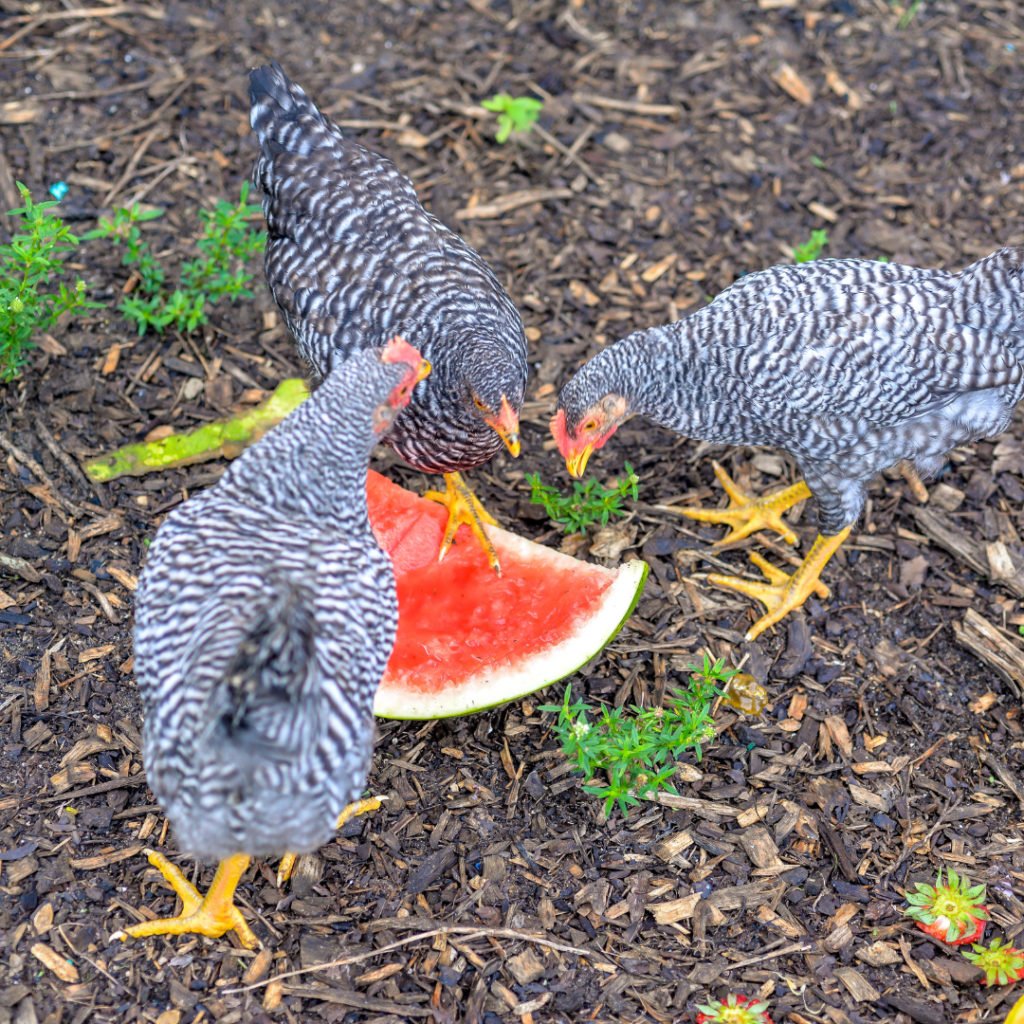
Chickens are enthusiastic, omnivorous foragers — and they’ll happily eat just about anything you grow in the garden. From leafy greens and herbs to overripe fruits, bug-bitten vegetables, and spent plants at the end of the season, nothing goes to waste with chickens around.
Some of their favorite garden treats include:
- Leafy greens: lettuce, kale, chard, beet tops
- Herbs: basil, cilantro, parsley, mint, oregano, thyme
- Fruits and veggies: squash, pumpkins, melons, cucumbers, tomatoes (just the ripe fruit)
- Weeds: dandelions, clover, chickweed, plantain
- Garden leftovers: soft tomatoes, overgrown zucchini, pest-damaged produce
Chickens will even clean up old garden beds, scratching through plants and eating what’s left behind — a great way to reduce waste and prep your soil for the next season.
While chickens can eat a wide variety of fresh foods, they still need a balanced base diet. Be sure to offer:
- A high-quality layer crumble or pellet
- Free-choice calcium (like crushed oyster shell)
- Grit to aid in digestion
- Fresh, clean water at all times
But don’t be surprised if they eat less commercial feed when they’re enjoying fresh garden goodies — it’s a great way to lower your feed bill while giving your flock a more natural, varied diet.
Can Rabbits and Chickens Eat Cucumbers?
Yes, chickens and rabbits can eat cucumbers. In fact, chickens don’t even mind if they’re overripe or a little buggy. Chickens will peck out the guts, seeds, and flesh and leave behind the picked clean skin. Cucumbers have a high water content, so they’re an excellent treat to offer your animals in the hot summer months.
Can Rabbits Eat Spinach?
Yes, rabbits can eat spinach, but only in moderation. Spinach is high in nutrients like vitamin A, vitamin C, and iron, but it also contains oxalates, which can contribute to kidney and bladder issues if fed too often.
You can offer spinach to your rabbits once or twice per week as part of a balanced diet that includes grass hay, fresh foods from the garden, and rabbit pellets.
Can Chickens Eat Cilantro?
Yes, chickens can eat cilantro — and most of them love it. This flavorful herb is completely safe for chickens and offers some great nutritional benefits, including vitamins A and K, as well as antioxidants that can help support their immune systems. You can feed your chickens the leaves, stems, and even the flowers. It’s a great way to add variety to their diet, especially if you have cilantro that’s starting to bolt in the garden.
Final Thoughts on Growing Food for Chickens and Rabbits
This list is just the beginning — there are so many ways to supplement your animals’ diet with garden and yard-grown food. Chickens will happily eat grass clippings, caterpillars, and other bugs they find while foraging. Rabbits enjoy the leaves from berry bushes, young tree branches, and even safe trimmings from plants like willow.
Start by observing what’s already growing on your property. Chances are, you’ll find a few free and nutritious options right under your nose. Just be sure to research each plant before offering it to your animals — especially when foraging wild or unfamiliar varieties.
With a little planning and observation, you can grow (or forage!) a steady supply of healthy, natural feed for your rabbits and chickens — and lower your feed bill in the process.
👉 Want more tips like this? Follow us on Facebook to keep up with simple living ideas, seasonal homestead advice, and more ways to care for your animals naturally.